Suicide Prevention During COVID-19
Suicide and the Pandemic
Suicide is a behavior. It is a choice which emerges from a variety of environmental and personal factors.
Immutable factors include family history of suicide, terminal illness, etc.
Factors that can be addressed include social isolation, poverty, access to lethal means, and mental illness
Suicide is a powerful, but COVID-19 brief impulse
Majority of cases occur within an hour between decision and suicide attempt. This shows that individuals use they have. Firearm safety can play a huge role in the prevention of suicide.
COVID-19
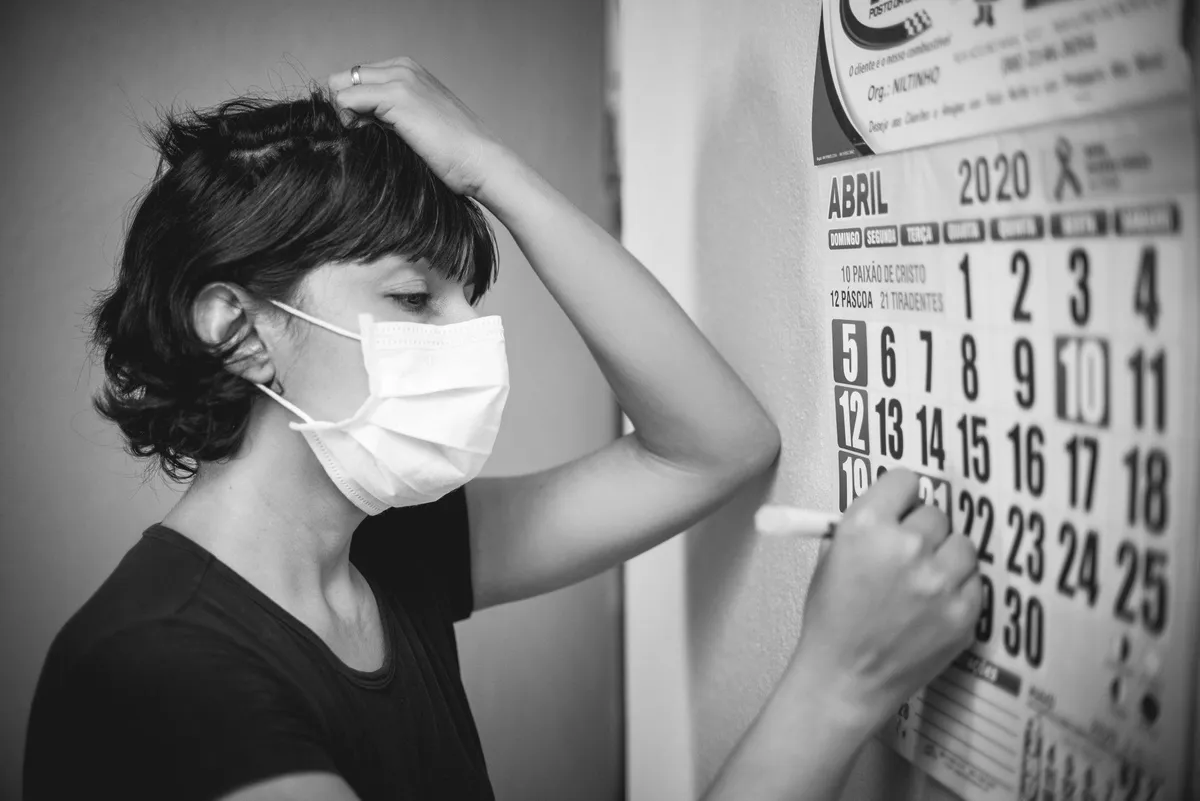
Pandemic spread globally in early 2020 bringing severe illness and death, lockdown, economic job losses, isolation, grief, fear, and reduced access to care and supports.
Firearm sales rocketed in 2020, yet remains to be one of the largest and most well defined risks for suicide.
38% of firearm owners reporter their mental health gotten a little or a lot worse in the past month
Firearm Safety
During a mental health crisis in the household, it is doubly important to remove the weapon from the house.
Throughout at-risk periods, guns must be removed, pills locked up, and depending on a risk assessment, the patient taken to an emergency room.
Families play a large role in enacting these plans, including holding/locking away weapons and medications.
Safe storage options: cable lock, trigger lock, lock box, safe, disassembled gun, smart gun
Extreme Risk Protection Order (ERPO)
Swanson et al (2017) found that CT's version of the law saved one life for every 10.6 guns seized, proving ERPO to be effective.
Reduced firearms suicides by 7.5% over 10 years, without an increase in suicides by other means.
Can be filed by family, cohabitant, romantic partner, police, or clinician (physician, psychologist, mental health worker, state health officer)
Integrating Policy, Programs, and Practices to Reducing Suicide
Suicide Prevention via a Systems Approach
The implementation of 9 mental health service recommendations in England and Wales and suicide rates. A cross sectional and before-and-after observational study.
It was found that services that implemented at least 7-9 of the recommendations had a significantly lower suicide rate.
9 mental health service recommendations:
Inpatient psych unit safety
Assertive outreach team
24/7 crisis team
7-day follow-up
Written policy on non-adherence
Dual diagnosis treatment
Criminal justice sharing
Debriefing and family contact after suicide
Front-line clinical staff trained in management of suicide risk for at least 3 years
Legislation and Policy Approaches
Improve access to affordable, effective mental health care
Strengthen chain of care for suicidal individuals
Enable billing for the services of community health workers
Integrate primary care and community mental health care
Reduce access to lethal means
Embed evidence-based approaches in educational programs (teacher colleges, medical school/residency, mental health professional training, journalism schools, etc.)
Expedite access to data to be used for action
School-Based Skill-Building Approaches
From a public health perspective, schools are an ideal place to provide mental health and wellness services to students through early identification of those at-risk, providing prevention programming, mental health services, referring to community-based providers, and supporting the entire school community in the aftermath of suicide.
Several states, including Maryland, are using the federal pandemic relief further to address the mental health impacts of the COVID pandemic.
These programs build skills and can demystify/destigmatize mental health care.
